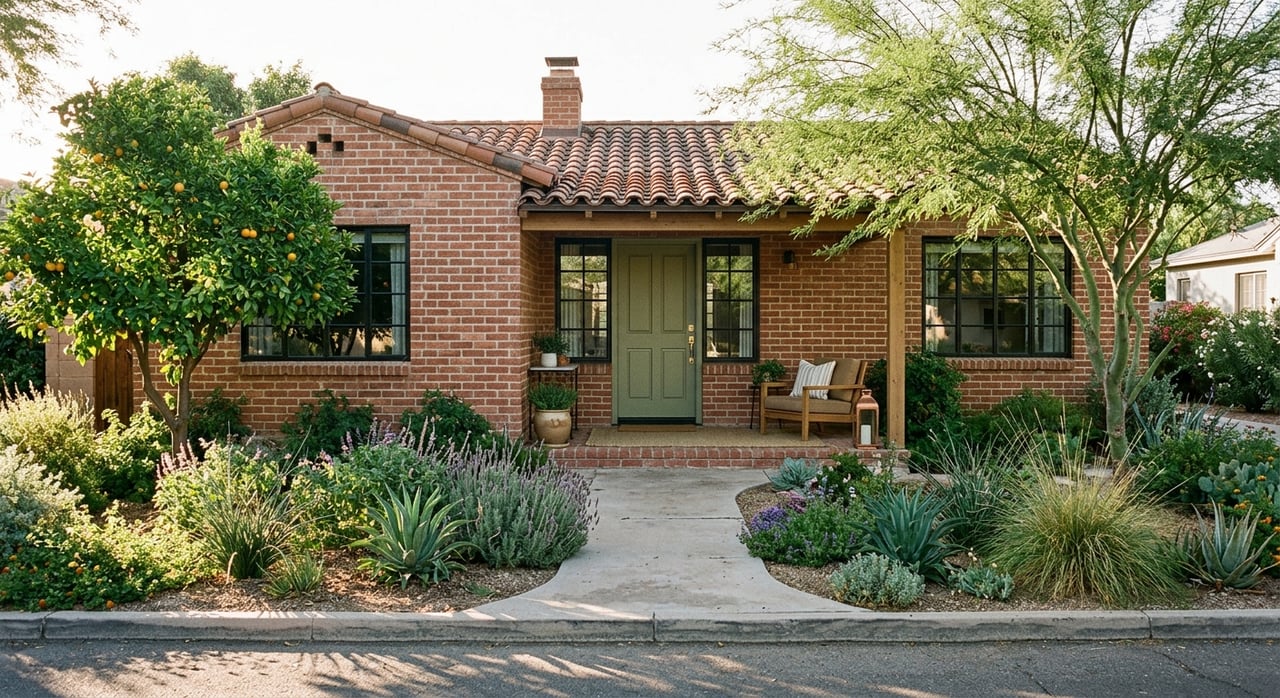
Thinking about buying a historic home in Phoenix’s North Central Corridor? It can be an exciting way to own a property with real architectural character, mature streetscapes, and a strong sense of place. It can also come with renovation questions that are very different from what you would face in a newer home. This guide will help you understand what to look for, how to plan updates wisely, and what steps can protect both your investment and the home’s historic value. Let’s dive in.
Why North Central Stands Out
Phoenix’s Central Corridor played a major role in the city’s northward residential growth. City survey material describes large, stylish homes along Central Avenue between Bethany Home Road and the Arizona Canal, shaped by canal corridors, the Murphy’s Maricopa Bridle Path, and early streetcar and automobile development.
That history still matters when you shop in North Central today. In this area, the appeal is often about more than one house. Street patterns, setbacks, tree-lined settings, and the relationship between the home and the lot can all be part of what makes a property feel special.
Phoenix also recognizes historic character at more than one scale in the corridor. The North Central Avenue Streetscape historic district, between Bethany Home Road and the Arizona Canal, reflects the area’s historic importance beyond individual homes alone.
What “Historic” Really Means
A home in North Central is not automatically historic just because it is older or located in a well-known area. In Phoenix, historic review is generally tied to designation on the Phoenix Historic Property Register, location within a historic district, or HP or HP-L overlay zoning.
That distinction matters if you are planning to renovate. Some homes may have been included in older survey work, including the North Central Corridor Estate Survey from 1993, but that does not necessarily mean they are under the same review standards as a designated property today.
Phoenix says eligible properties generally need to be at least 50 years old, historically significant, and still retain historic integrity. The city also notes that older surveys may be limited in scope, so they are a starting point, not the final word.
Architecture You May Find in North Central
Historic areas in central Phoenix include a wide mix of architectural styles. Depending on the property, you may see Bungalow and Craftsman, Mission or Spanish Colonial Revival, Tudor Revival, Prairie, English Cottage Revival, Southwest Revival, Transitional or Early Ranch, and other Ranch subtypes.
That variety is part of the corridor’s appeal. It also means renovation plans should respond to the actual style and features of the house, rather than follow a one-size-fits-all approach.
Lot Patterns Matter Too
Historic subdivisions in central Phoenix were generally developed between 1912 and 1950. Documentation for these areas notes common features such as rectilinear or curvilinear street patterns, 20- to 25-foot setbacks, and detached garages, porte cocheres, or carports.
If you are thinking about an addition, garage conversion, front-yard changes, or a reworked entry sequence, those site details can affect what is practical. In a historic setting, the lot layout can be just as important as the floor plan.
How to Evaluate a Historic Home Before You Buy
A beautiful historic home can be deeply rewarding, but due diligence matters. Before you finalize your budget, it helps to confirm the home’s designation status and understand what repairs or updates may be needed right away.
A practical approach is to treat the purchase like a preservation-first project. Confirm the designation, inspect for condition issues, and then map out structural, systems, and energy updates before cosmetic changes.
Your Pre-Purchase Checklist
- Confirm whether the address is on the Phoenix Historic Property Register
- Check whether the home is inside a historic district
- Verify whether HP or HP-L overlay zoning applies
- Ask whether the property has any preservation grant history or recorded conservation easements
- Review permit requirements for any planned remodel or addition
- Inspect for pest history, especially termites
- Consider whether older paint or finish materials may be disturbed during renovation
Common Update Projects in Historic Homes
Many buyers assume updating a historic home means replacing everything old with something new. In Phoenix, the better path is often more thoughtful. The city’s preservation guidance emphasizes keeping original materials and details whenever possible, then using matching or compatible materials when repair is no longer feasible.
That approach can preserve both character and long-term value. It can also help you avoid changes that make the home feel less authentic over time.
Windows Need a Careful Strategy
Original windows are one of the most important features to evaluate carefully. Phoenix recommends repairing and weatherizing historic windows when possible, rather than replacing them immediately.
The city also points to practical performance improvements such as insulated blinds, curtains, films, and thicker-glass retrofits. If deterioration is severe or repair is not practical, replacement may become the next step, but repair-first is the standard starting point.
Exterior Repairs Often Beat Full Replacement
Historic home updates often involve skilled repair work rather than major removal. Phoenix guidance highlights projects such as wood window repairs, steel casement window repairs, paint removal, masonry repointing, and wood shingle roof work.
If you buy a home that needs exterior attention, it is worth thinking in terms of restoration and compatibility. The goal is usually to keep as much historic fabric as possible while addressing condition and performance.
Energy Updates That Respect the Home
In Phoenix, comfort and efficiency matter. Historic homes can absolutely be improved, but the city recommends starting with an energy audit so you can focus on the changes that will have the biggest impact.
Common improvement categories include weatherization, duct sealing, insulation, high-efficiency HVAC or heat pumps, window treatments, thicker-glass retrofits, and shade trees. APS and SRP residential customers may also be eligible for $99 audits, according to city guidance.
Start With the House, Not Just the Equipment
Many buyers jump straight to a new HVAC system. That may be part of the answer, but an audit-first approach can help you see whether air leaks, duct issues, window performance, or shading should be addressed first.
This is especially important in older homes where comfort issues may come from several smaller problems working together. A smart sequence can improve results and help you prioritize your budget.
Permits and Review in Phoenix
In Phoenix, many remodels and additions require permits. That can include garage or carport conversions, porch enclosures, demolition, patio covers, fences or walls, and other construction work.
The city routes residential remodels, additions, repairs, and replacements through its residential plan-review and inspections process. If the property is designated historic or located in a historic district, exterior work may also trigger local historic review.
Interior vs. Exterior Changes
Many buyers ask whether they can modernize the inside of a historic home. In many cases, yes. Phoenix historic review generally focuses on exterior changes to designated properties and to non-historic properties inside historic districts, though permits may still be required for interior or structural work.
That means your dream kitchen or bathroom update may be possible, but you still want to confirm the permit path before work begins. The earlier you check, the easier it is to avoid surprises.
Health and Pest Issues to Plan For
Older homes need a careful inspection strategy. If the property was built before 1978, lead-based paint precautions may apply unless testing shows otherwise.
EPA guidance says lead-safe work practices are needed for renovation, repair, and painting that disturbs paint in pre-1978 housing. For buyers planning updates, that makes contractor selection and project sequencing especially important.
Older finish materials may also contain asbestos. EPA recommends testing suspect materials when they are damaged or when renovation work will disturb them, and samples should be taken by a trained professional.
Termites also belong on your North Central checklist. The Arizona Department of Agriculture notes that Arizona is home to subterranean termites, and University of Arizona Extension provides homeowner guidance on control and construction practices that can help keep termites out.
A Smart Planning Workflow for Buyers
If you are considering a historic or potentially historic home in North Central, a clear process can save time and money. Phoenix encourages pre-application meetings so planners can discuss design, materials, and placement before a project is formally submitted.
That kind of early coordination can be especially useful if you are comparing several homes and want a realistic renovation budget before you close. It can also help you avoid plans that do not align with the property’s review requirements.
A Practical Order of Operations
- Confirm designation status and district boundaries
- Review zoning, permit, and historic-review requirements
- Inspect for structural issues, hazards, and pest history
- Start with major systems and energy planning
- Address exterior repairs with a preservation-minded approach
- Save cosmetic finishes for later in the process
Phoenix also offers preservation resources such as design review, technical guidance, incentives, and exterior rehabilitation assistance for eligible historic homes. For some buyers, those resources can make a meaningful difference in how they scope and phase a project.
Buying and updating a historic home in Phoenix’s Central Corridor is rarely about quick cosmetic change. The best outcomes usually come from understanding the home’s designation status, respecting original materials, and making updates in a sequence that supports both livability and long-term value. If you want experienced guidance as you evaluate North Central opportunities, The TEAM can help you approach the process with clarity and confidence.
FAQs
Is every older home in Phoenix’s North Central Corridor considered historic?
- No. In Phoenix, historic review is generally tied to the Phoenix Historic Property Register, historic district location, or HP or HP-L overlay zoning.
Can you remodel the interior of a historic home in North Central Phoenix?
- Usually yes, but permits may still be required for interior or structural work, and designated properties may face review for exterior changes.
Should you replace original windows in a Phoenix historic home right away?
- Usually not. Phoenix recommends repairing and weatherizing original windows first, then replacing only when deterioration is severe or repair is not practical.
What updates are common in North Central Phoenix historic homes?
- Common projects include energy audits, weatherization, HVAC improvements, insulation, window repair, masonry repointing, paint removal, and careful exterior rehabilitation.
What should buyers inspect for in an older Phoenix home before renovating?
- Key items include historic designation status, permit needs, termite history, possible lead-based paint in pre-1978 homes, and any suspect materials that could be disturbed during renovation.