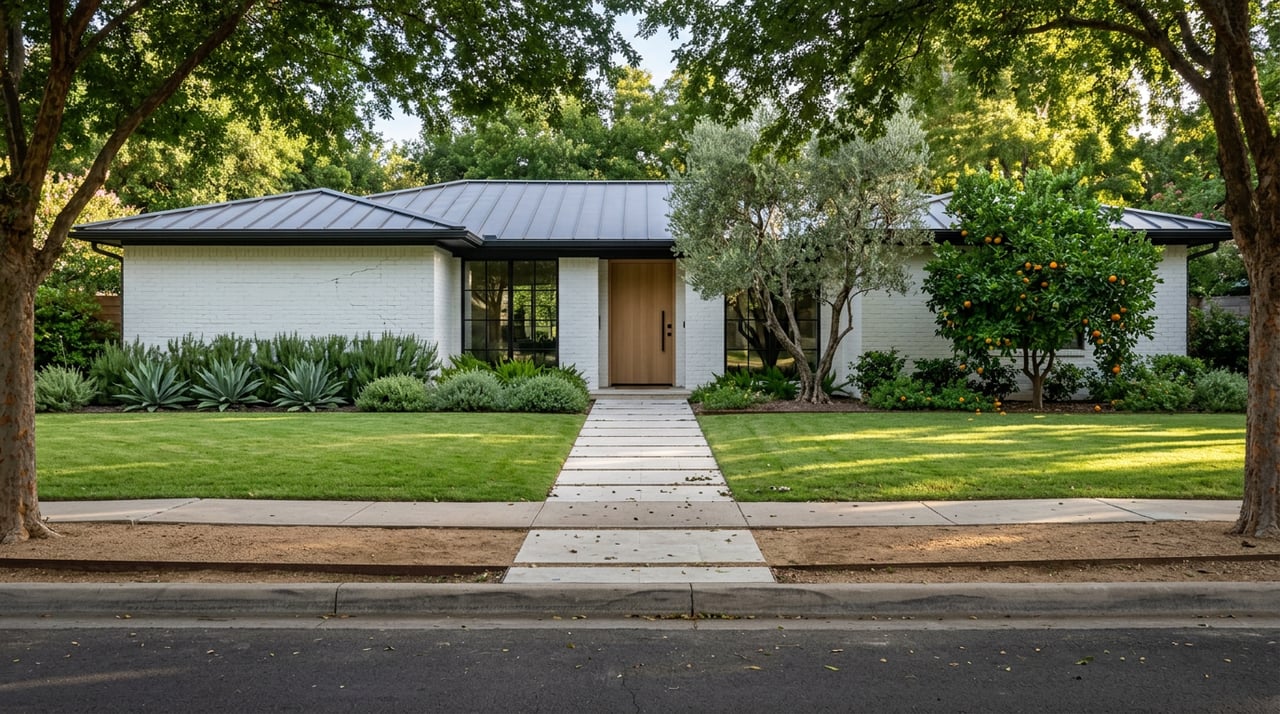
Imagine starting your day under a leafy canopy along Central Avenue, grabbing coffee at Uptown Plaza, and being downtown in minutes. If you want historic character without giving up urban convenience, North Central Phoenix’s Central Corridor hits a sweet spot. In this guide, you’ll learn where the corridor sits, what makes its homes special, how locals live day to day, and how it compares with nearby Arcadia and Biltmore. You’ll also get practical tips for buying or renovating in historic pockets. Let’s dive in.
Where the Central Corridor sits
The Central Corridor is a local term for the stretch along Central Avenue that links Downtown, Midtown, Uptown, and North Central Phoenix. In practical terms, think Central Avenue from around McDowell and Camelback north through tree-lined North Central, including pockets near Bethany Home Road and up toward the Arizona Canal. For a clear overview of how locals describe this area, see this helpful Central City Corridor guide.
To get your bearings, anchor on recognizable spots: Steele Indian School Park, Uptown Plaza at Camelback, the Murphy Bridle Path along Central Avenue, and Biltmore Fashion Park just east. The corridor is in the City of Phoenix within Maricopa County, not the separate City of Maricopa. For broader context on the avenue itself, review the Central Avenue Corridor overview.
Daily life here is defined by close-in convenience. Many blocks are a short drive to Downtown Phoenix and comparable distance to Sky Harbor, depending on traffic and your exact cross street. You also sit between several major freeways, which can shorten commutes to central employment hubs.
A living history along Central Avenue
North Central’s tree-lined feel traces back to early subdivision and irrigation efforts in the late 19th and early 20th centuries. Developer William J. Murphy helped shape the Orangewood area and left a lasting mark through the Murphy Bridle Path, the unpaved, shaded route that parallels Central Avenue for a couple of miles from Bethany Home Road north toward the canal. For the backstory, read more about William J. Murphy.
That heritage shows up in the everyday streetscape. You’ll notice long rows of mature trees, generous setbacks, and welcoming front yards. It is an urban address with a quiet, established character that feels different from many newer parts of the Valley.
Architecture you can spot on a stroll
One of the corridor’s biggest draws is its range of home styles on leafy, lot-mature streets. As you explore, you’ll likely see:
- Craftsman bungalows with deep porches and period millwork.
- Pre- and interwar revivals, including Spanish Colonial or Mediterranean and Tudor Revival details.
- Mid-century ranch homes ripe for tasteful remodels.
- Later infill, modern updates, and low-maintenance condos or townhomes.
Many nearby blocks are recognized on the City of Phoenix Historic Property Register, including noted districts like Encanto-Palmcroft, Willo, Windsor Square, and F.Q. Story. If you are drawn to authenticity and preservation, start with the city’s Residential Historic Districts page to understand boundaries and protections.
Everyday lifestyle: patios, parks, and paths
Dining and daily conveniences
The northern end of the corridor centers on Uptown/Camelback and the mid-century Uptown Plaza, an active retail and dining hub. You will find a mix of neighborhood favorites and new arrivals, from cafes to patios perfect for a relaxed dinner. For a taste of what’s new, preview the food scene at Uptown Plaza.
Just west, the Melrose/7th Avenue district adds vintage shops and additional eats. On quieter neighborhood blocks, you can pop into casual spots like Luci’s or enjoy a glass of wine at beloved local patios.
Parks, paths, and preserves
The Murphy Bridle Path is the corridor’s signature outdoor amenity. It is a shaded, unpaved route along Central Avenue that locals use for morning runs, evening strolls, and dog walks. The nearby Arizona Canal path adds miles for bike rides and jogs, while Steele Indian School Park offers open lawns and community events within minutes of many homes.
When you want bigger hikes and city views, the Phoenix Mountain Preserve, including Piestewa Peak and Dreamy Draw, sits a short drive away. This blend of quiet neighborhood paths and quick access to desert trails is part of the corridor’s daily rhythm.
Getting around with ease
Transit is a real advantage here. Valley Metro light rail connects the corridor to Downtown Phoenix, Tempe, and beyond. For an at-a-glance view of services along Central Avenue, check the B Line overview. Downtown’s Greg Stanton Central Station is being redeveloped as a major transit hub, strengthening connections across the region. You can track project updates through Downtown Phoenix’s page on the Greg Stanton Central Station.
By car, the corridor’s central position between SR-51, I-10, and I-17 can make cross-town trips faster than many suburban routes. Drive times vary by time of day, but many residents appreciate how quickly they can reach job centers, sports venues, and the airport.
How the Central Corridor compares
If you are weighing the Central Corridor against nearby Arcadia and Biltmore, focus on lifestyle and lot preferences.
- Central Corridor: Tree-lined neighborhood streets, historic character, and small-scale walkability to local retailers and cafes. Homes range from restored bungalows and mid-century ranches to updated infill.
- Arcadia: Larger lots and a strong rebuild market, with an orchard-era legacy and canal access. It attracts buyers who prioritize space and mountain outlooks.
- Biltmore: Upscale convenience with a resort anchor and a wide mix of condos, townhomes, and gated options. Many buyers choose it for a lock-and-leave lifestyle near retail, dining, and quick airport access.
If you love the idea of a morning jog under a mature canopy and a quick coffee run on foot, the Central Corridor will feel like home. If you want larger parcels or a resort-adjacent address, Arcadia or Biltmore may be a better fit.
Who loves living here
You will find a broad mix of neighbors, from professionals who want shorter commutes, to downsizers seeking a low-maintenance condo near dining, to households that value parks and central access. Many buyers choose the corridor to balance history, location, and an everyday lifestyle that feels connected but calm.
Buying and renovating in historic pockets
If a historic home speaks to you, a little due diligence goes a long way. Phoenix’s historic districts celebrate authentic architecture and often include design guidance that helps preserve what makes each block special. Start with the city’s Historic Districts page, then use these tips:
- Confirm whether an address is on the Phoenix Historic Property Register or within a local overlay.
- Review any design guidelines and plan for potential design review when updating exteriors.
- Budget for period-appropriate materials and skilled trades when restoring key details.
- Ask about demolition restrictions or moratoriums before making plans for major changes.
These steps protect your investment and the look and feel that make the corridor so enduring.
Quick orientation guide
Use this shortlist to get your mental map set before you tour:
- Anchors: Central Avenue, Camelback Road, Bethany Home Road, Arizona Canal.
- Lifestyle hubs: Uptown Plaza, Melrose/7th Avenue, Steele Indian School Park.
- Historic touchpoints: Murphy Bridle Path and early Orangewood-era streetscapes linked to William J. Murphy.
- Notable nearby districts: Encanto-Palmcroft, Willo, Windsor Square, F.Q. Story. For a location snapshot, see the Windsor Square neighborhood.
Ready to explore listings, compare sub-neighborhoods, or position your home for a premium result? Connect with The TEAM for tailored guidance, market insight, and a concierge approach to touring, preparation, and launch. Request a Luxury Home Valuation to get started.
FAQs
Where is Phoenix’s Central Corridor located?
- The corridor follows Central Avenue through Midtown and Uptown into North Central Phoenix, roughly from McDowell and Camelback north toward Bethany Home Road and the Arizona Canal.
Is the Murphy Bridle Path open to the public?
- Yes. The unpaved, tree-lined path along Central Avenue functions as a neighborhood greenway for walking and running.
What historic-district rules might affect renovations?
- Many nearby blocks are on the Phoenix Historic Property Register, which can include design review and demolition limits; confirm status on the city’s preservation page before planning.
How close is the Central Corridor to Downtown and Sky Harbor?
- Many addresses are a short drive to both Downtown Phoenix and Phoenix Sky Harbor, often within 5 to 20 minutes depending on your exact block and traffic.
How does the Central Corridor compare with Arcadia and Biltmore?
- Choose by lifestyle and lot needs: Central Corridor for tree-lined streets and walkability, Arcadia for larger lots and mountain outlooks, and Biltmore for resort-area convenience and lock-and-leave options.