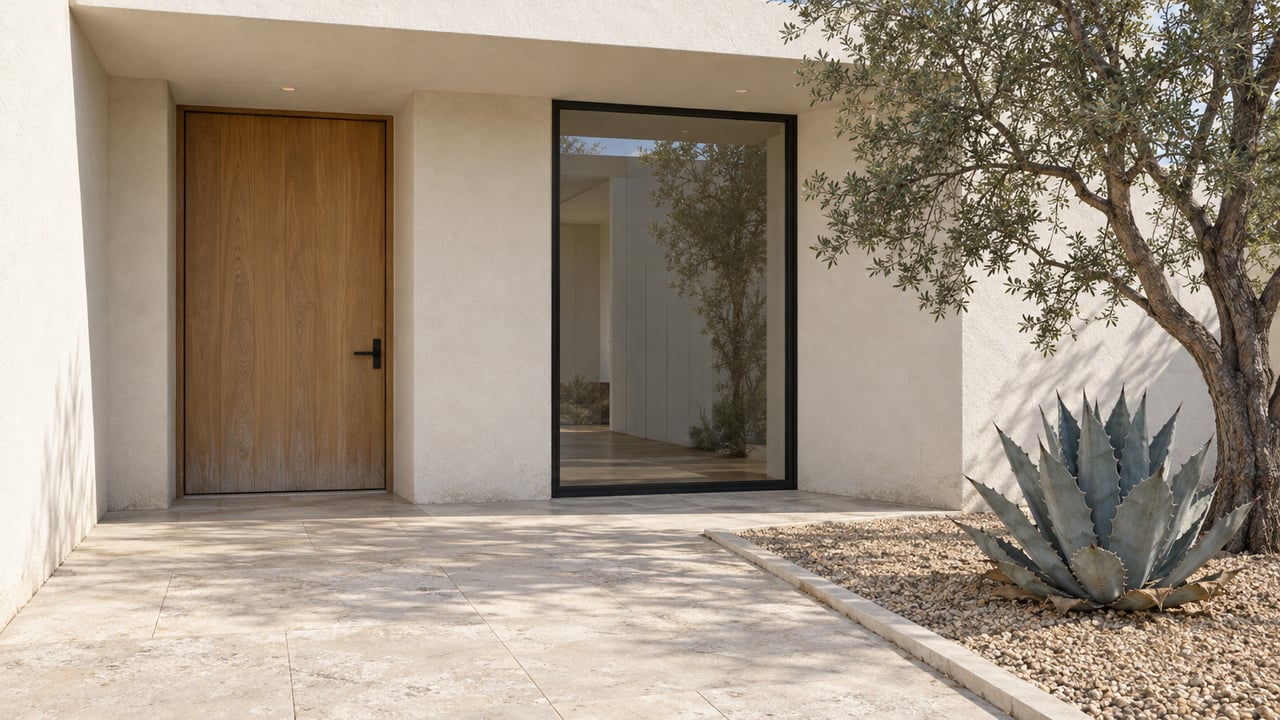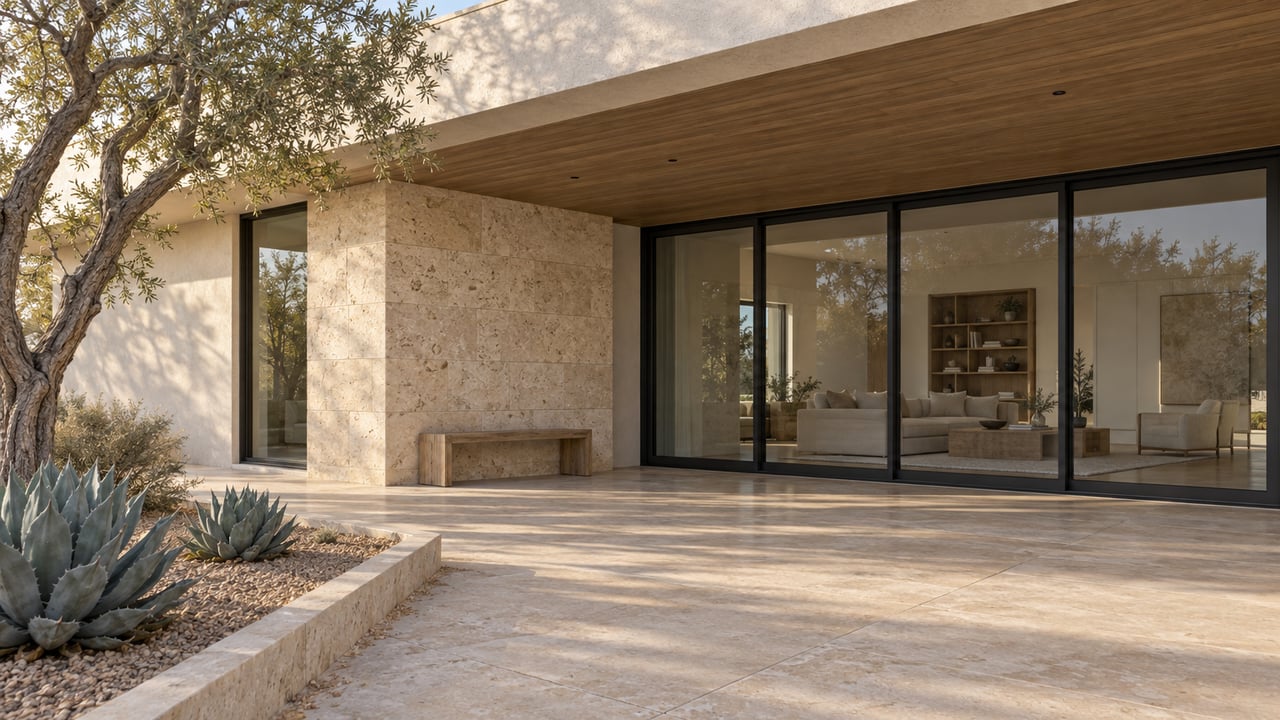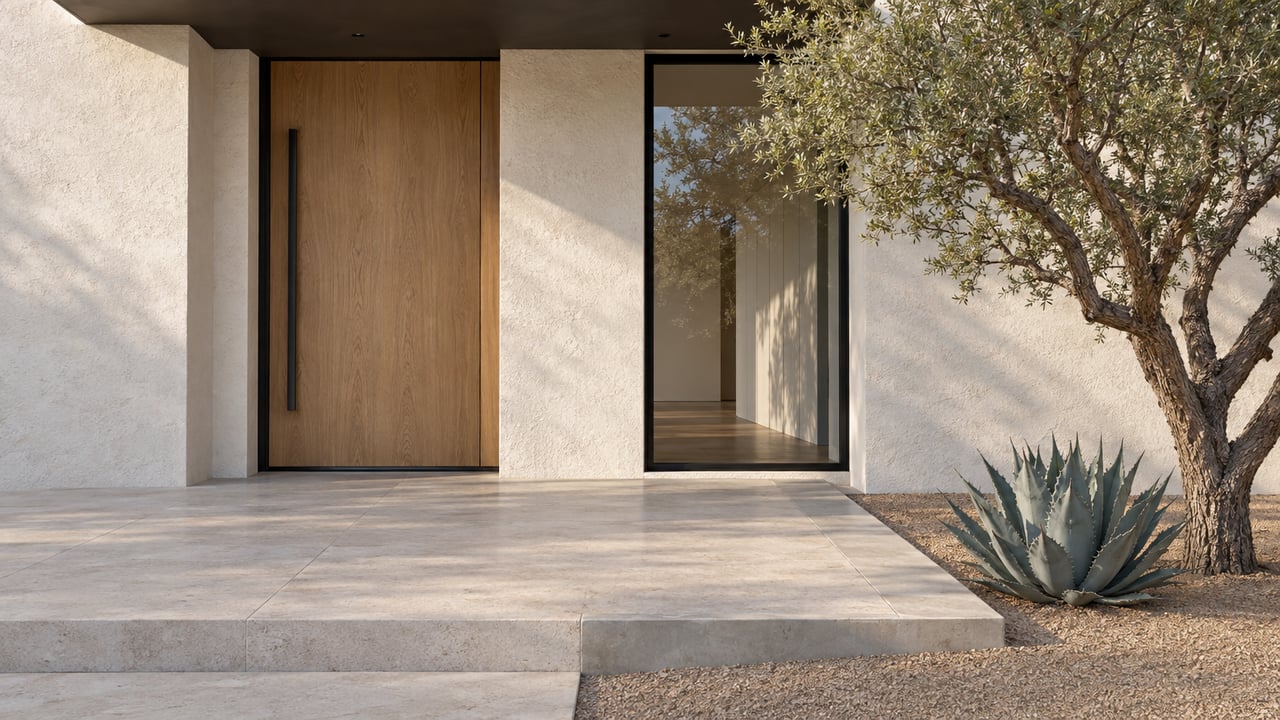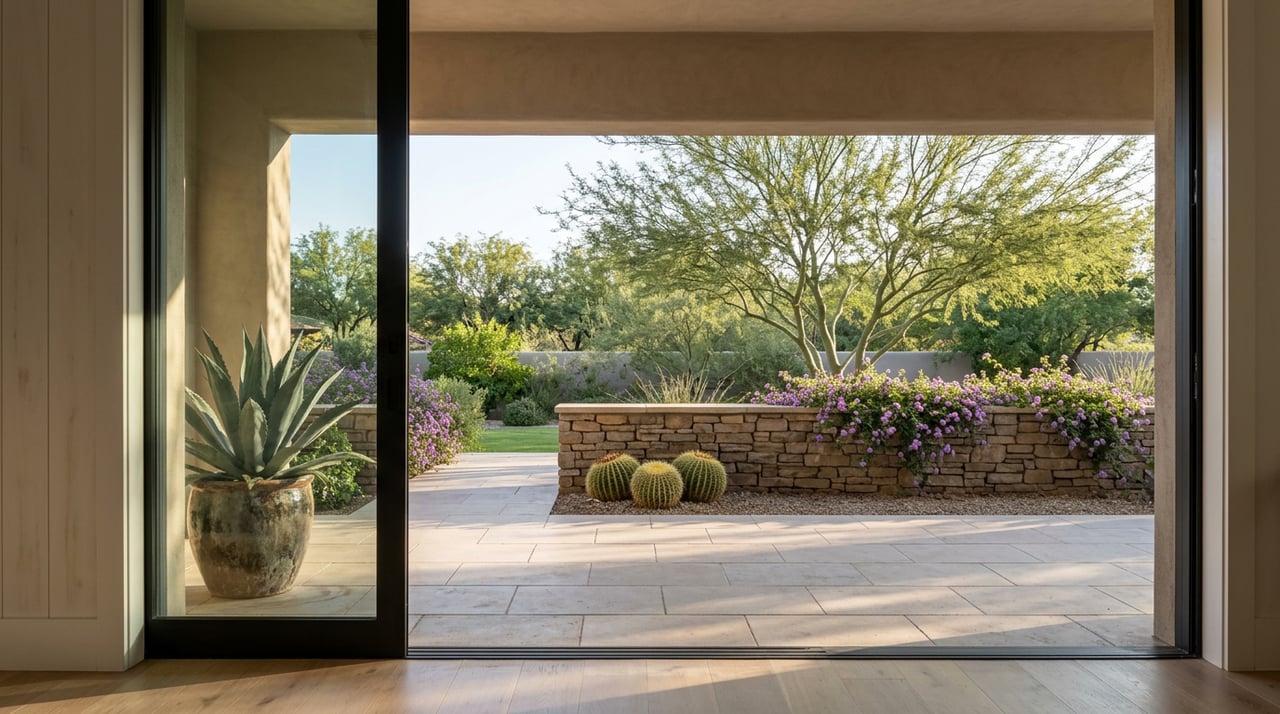
If you own a home in Paradise Valley or are considering buying a property here, one question can shape everything: should you renovate, build new, or tear down and start over? In a market where land, design, and legal build envelope all carry serious weight, the answer is rarely simple. The good news is that when you understand how Paradise Valley works, you can make a smarter decision about what truly adds value. Let’s dive in.
Why the lot often matters most
In Paradise Valley, value is often tied as much to the parcel as to the house sitting on it. The Town is predominantly zoned for single-family housing, and much of it is R-43 with a one-acre minimum lot size. Other residential districts include R-175, R-35, R-18, and R-10, which means zoning can shape what you can realistically build, expand, or preserve.
That matters because buyers at this price point are not just shopping for square footage. They are looking at privacy, usable land, layout potential, and whether a lot can support the kind of finished home they want. In many cases, the existing house is only part of the value story.
Paradise Valley sits in a true luxury tier
This is not a market where decisions are driven by entry-level price points or quick cosmetic upgrades. Redfin reported a median sale price of $4.8 million in Paradise Valley in March 2026, with homes taking about 87 days to sell and averaging about 5% below list. That places Paradise Valley much closer to top-tier luxury markets like Silverleaf than to the broader Scottsdale market.
For you, that means the bar is higher. Buyers in this segment tend to prioritize long-term lifestyle, privacy, stability, and move-in-ready quality. A property that feels complete and thoughtfully executed often has an advantage over one with obvious compromise or unfinished potential.
When new construction can add the most value
Strong lots favor new builds
A teardown or new construction plan often makes the most sense when the lot itself is the main asset. Wide parcels, clean access, fewer easement conflicts, and a buildable envelope that supports a modern floor plan can create the strongest upside. If the site can accommodate the home buyers expect in Paradise Valley without needing special relief, a new build may command a premium.
Town requirements show why this matters. On flatland parcels, value is heavily influenced by net lot size, setbacks, easements, washes, FAR, accessory structure placement, and mechanical screening. In R-43, for example, the minimum lot size is 43,560 square feet with 165 feet of lot width and a 25% FAR.
Turnkey quality matters in this market
Luxury buyers in 2026 are generally less motivated by speculation and more focused on lifestyle and long-term value. In Paradise Valley, that often benefits homes that feel finished on day one. A well-designed new home can align with those expectations, especially when architecture, privacy, and functionality all come together.
Still, not every new build automatically adds value. Larger or more distinctive homes can take longer to sell, so a new construction strategy usually works best when it offers either exceptional design, exceptional land, or both.
When a teardown can hurt value
You may lose a better build envelope
One of the most important Paradise Valley details is that tearing down an older home can sometimes reduce what the lot can support. On certain R-175 parcels, standards change depending on whether a primary building existed before June 13, 1991. If a qualifying older primary building exists, the front setback can be 40 feet, while a lot without that older building may face a 100-foot front setback.
That is a major difference. If you remove a qualifying older structure, you may also remove an advantage that directly affects the future layout and buildable area. In some cases, preserving and improving the existing home may protect more value than starting over.
Site constraints can change the math
Not every lot is a clean slate. Setback geometry, washes, easements, grading, and hillside-related review can complicate what looks simple at first glance. Height is also measured in a specific way, from the lowest natural grade or the lowest unrestored excavated grade below the structure, which can affect massing and final design.
Paradise Valley also uses an open-space criteria plane and additional slope-plane rules on non-hillside R-43 and R-175 lots. If your design has to work around those limits, the practical building envelope may feel smaller than the parcel size suggests.
Why renovations still make sense on many parcels
A well-sited home can be worth keeping
In Paradise Valley, a remodel can be the better play when the existing home already sits well on the lot and works within the current constraints. If the structure has good bones, a favorable siting, and enough flexibility to improve function and finish level, you may preserve value while reducing entitlement and construction risk.
This is especially true on lots with awkward geometry or conditions that make a fresh design harder to execute. A thoughtful renovation can modernize the home, improve flow, and better match current buyer expectations without giving up the advantages of the existing placement.
Basements and smart planning matter
One interesting detail in Paradise Valley’s flatland requirements is that fully subterranean basement portions are excluded from FAR. For some luxury properties, that can create valuable design flexibility. If you can improve the home through strategic expansion or redesign without triggering avoidable constraints, a renovation may offer a stronger risk-adjusted outcome.
That does not mean every remodel adds equal value. The most successful renovations tend to solve layout issues, improve livability, and deliver a more complete lifestyle experience rather than just refresh finishes.
Permitting can reshape the budget and timeline
Paradise Valley is known for stricter review
The Town makes it clear that its building and zoning regulations and practices may be more restrictive than in other communities. It specifically advises buyers and owners pursuing development or major remodeling to study the zoning ordinance and development practices first. All construction-related work requires a Town building permit, and demolition requires its own permit.
The Town also notes that initial plan review for new structures has been extended to 30 days. That timeline matters when you are weighing carrying costs, design expenses, and project risk.
Reviews can involve multiple layers
A new build or teardown may move through several review paths depending on the project. The Planning Commission reviews subdivision plats, lot splits, zoning amendments, special use permits, and general plan amendments. The Hillside Building Committee reviews new construction and remodels for issues like land disturbance, heights, lighting, building materials, grading, and drainage.
If a parcel cannot meet a standard such as height or setback, you may apply for a variance based on hardship like topography, unusual lot configuration, or location. But that does not mean approval is automatic, and added review can affect both timing and certainty.
Comparing Paradise Valley to nearby markets
Paradise Valley is often discussed alongside Arcadia and North Scottsdale, but the value logic is different. Arcadia and broader Scottsdale sit at lower median price points, where buyers may be more sensitive to condition and layout relative to budget. In those markets, a strong remodel can often compete very well if the location fits.
Paradise Valley operates in a more rarefied luxury tier. Here, buyers often place a premium on privacy, architecture, and turnkey execution. That is why new construction can outperform on the right parcel, while a smart renovation can outperform on a constrained one.
How to decide what adds value
Before you decide between new construction and renovation, focus on the parcel first. In Paradise Valley, the highest value usually comes from the strategy that best monetizes the lot’s legal envelope while matching what luxury buyers actually want.
A teardown or new build may add more value when the lot offers:
- Strong width and access
- Minimal easement or wash conflicts
- A clean build envelope
- Room for a modern program without major variance risk
- Land quality that supports standout architecture
A renovation may add more value when the property has:
- A well-sited existing home
- Setback or geometry constraints
- Features or siting advantages you could lose on teardown
- Good structural bones
- A path to modernize layout, amenities, and finish level without resetting the entitlement equation
The real question is risk-adjusted value
In Paradise Valley, the best choice is usually not the most dramatic one. It is the one that protects what is valuable about the parcel, works within Town rules, and delivers the kind of home the buyer pool expects. Sometimes that means a striking new build. Sometimes it means keeping the right structure and improving it with intention.
If you are weighing whether to renovate, rebuild, or position a property for sale as a lot opportunity, local context matters. The right strategy starts with understanding the zoning, the build envelope, and how today’s Paradise Valley buyers evaluate value. For tailored guidance on your property and a concierge-level approach to pricing and positioning, connect with The TEAM.
FAQs
What adds more value in Paradise Valley: new construction or a remodel?
- It depends on the lot. New construction often adds more value on wide, buildable parcels with a clean envelope, while a remodel can preserve more value on constrained lots or homes with favorable existing siting.
Why does lot zoning matter in Paradise Valley real estate?
- Zoning affects what you can build, how large the home can be, required setbacks, and other design limits. In Paradise Valley, those rules can significantly shape whether a teardown, new build, or renovation makes the most financial sense.
Can tearing down a house in Paradise Valley reduce value?
- Yes. On some parcels, especially certain R-175 lots, removing an older qualifying home can change setback rules and shrink the future build envelope, which may reduce the lot’s development flexibility.
Are permits and approvals harder in Paradise Valley?
- Paradise Valley states that its building and zoning regulations may be more restrictive than other communities. New construction, demolition, and major remodels all require permits, and some projects may involve multiple review bodies.
Do luxury buyers in Paradise Valley prefer turnkey homes?
- In many cases, yes. Current luxury market patterns suggest buyers at this level often prioritize lifestyle, stability, privacy, and move-in-ready quality over unfinished potential.
Should you sell a Paradise Valley property as-is or as a redevelopment opportunity?
- That depends on the parcel, the existing home, and the likely buyer. If the lot supports a strong new build, marketing it as a redevelopment opportunity may be effective. If the home has strong siting or renovation upside, its value may be higher with that story instead.