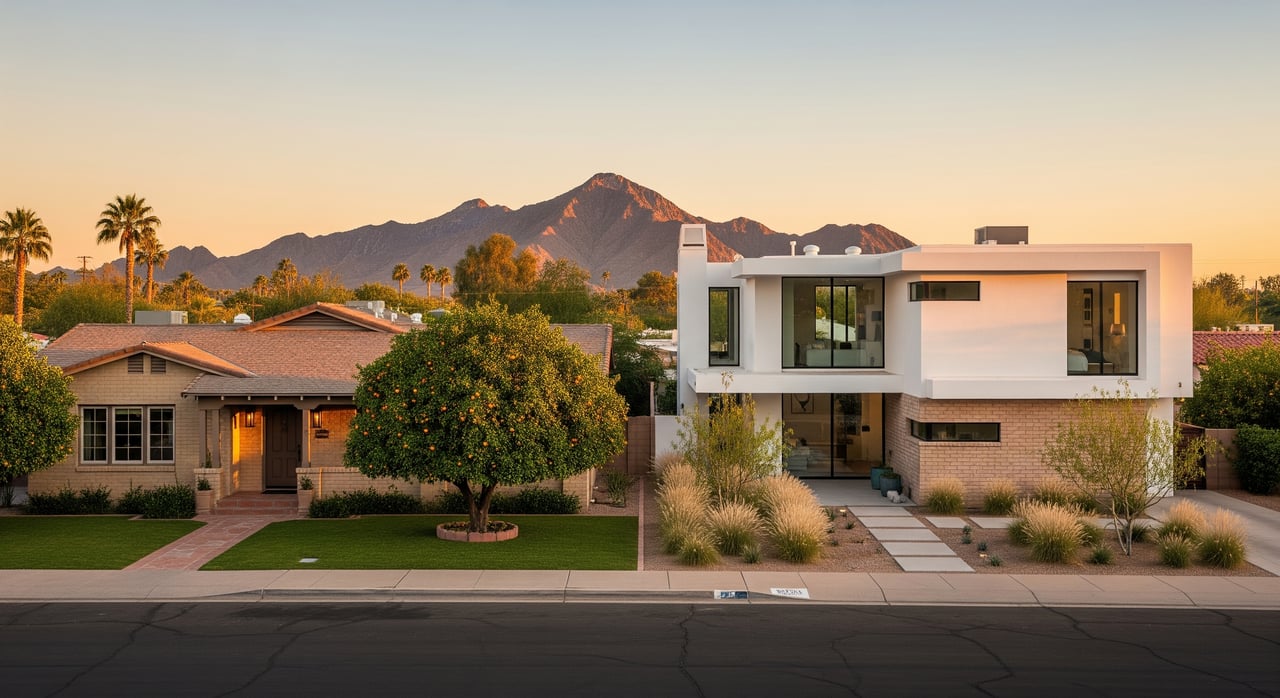
Do you love the charm of a classic Arcadia ranch but crave the openness and sparkle of a modern new build? You are not alone. Many Phoenix buyers wrestle with how to balance character, comfort, and value in this sought-after neighborhood. In this guide, you will compare styles, floor plans, ceilings, outdoor living, systems, permits, timelines, and resale drivers, all through an Arcadia lens. Let’s dive in.
Arcadia at a glance
Arcadia sits around Camelback and Indian School Roads between roughly 44th and 68th Streets. You will find larger and deeper lots than typical central Phoenix infill, which is a big reason buyers consider renovation or new construction here.
Much of the housing stock dates from the 1940s to the 1970s, with single-story ranch homes, mature citrus, and established landscaping. Over the past decade or so, tear-downs and whole-lot new builds have become more common as demand for modern plans and finishes has grown.
Arcadia is within the City of Phoenix, so permits, setbacks, lot coverage, and code enforcement run through Phoenix Planning and Development. There are not universal HOAs across original Arcadia parcels, though some subdivisions or newer developments may have private covenants.
Style differences: ranch vs new build
Exterior form and curb appeal
Arcadia ranch homes are usually single-story with low to moderate roof pitches, broad eaves, and long horizontal lines. Exteriors often mix stucco and brick, with stone or brick fireplaces and wood trim.
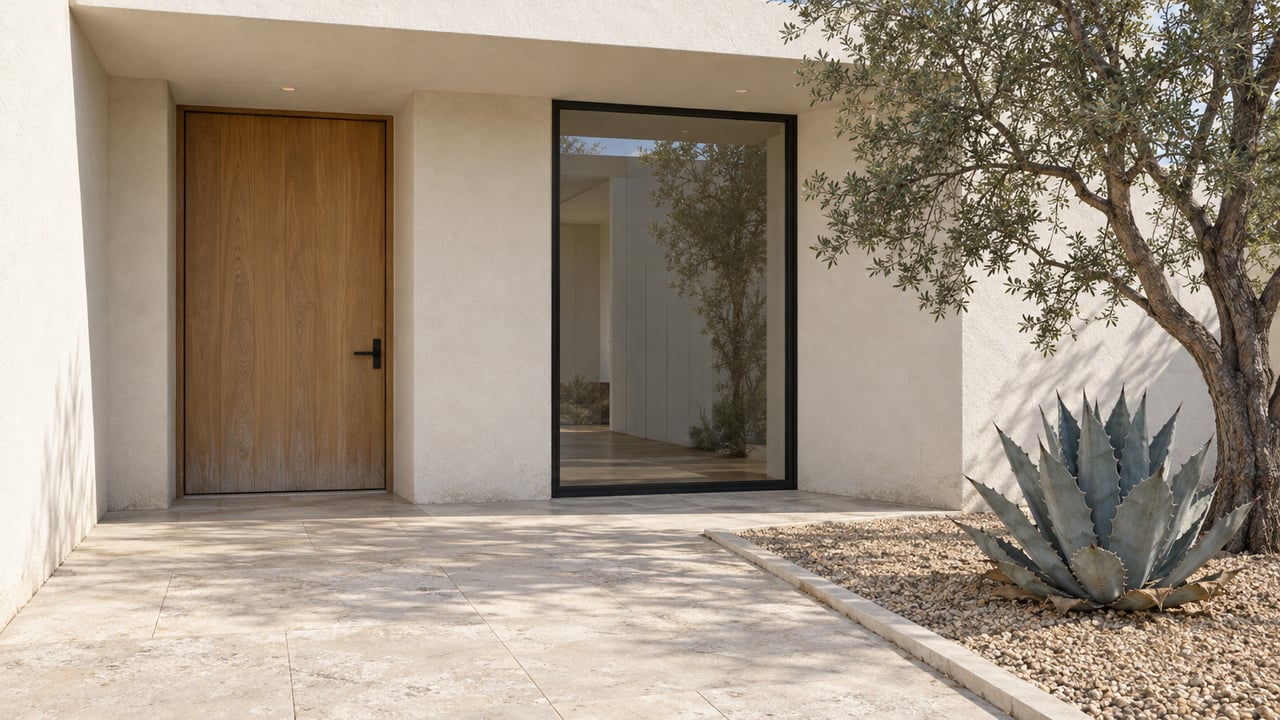
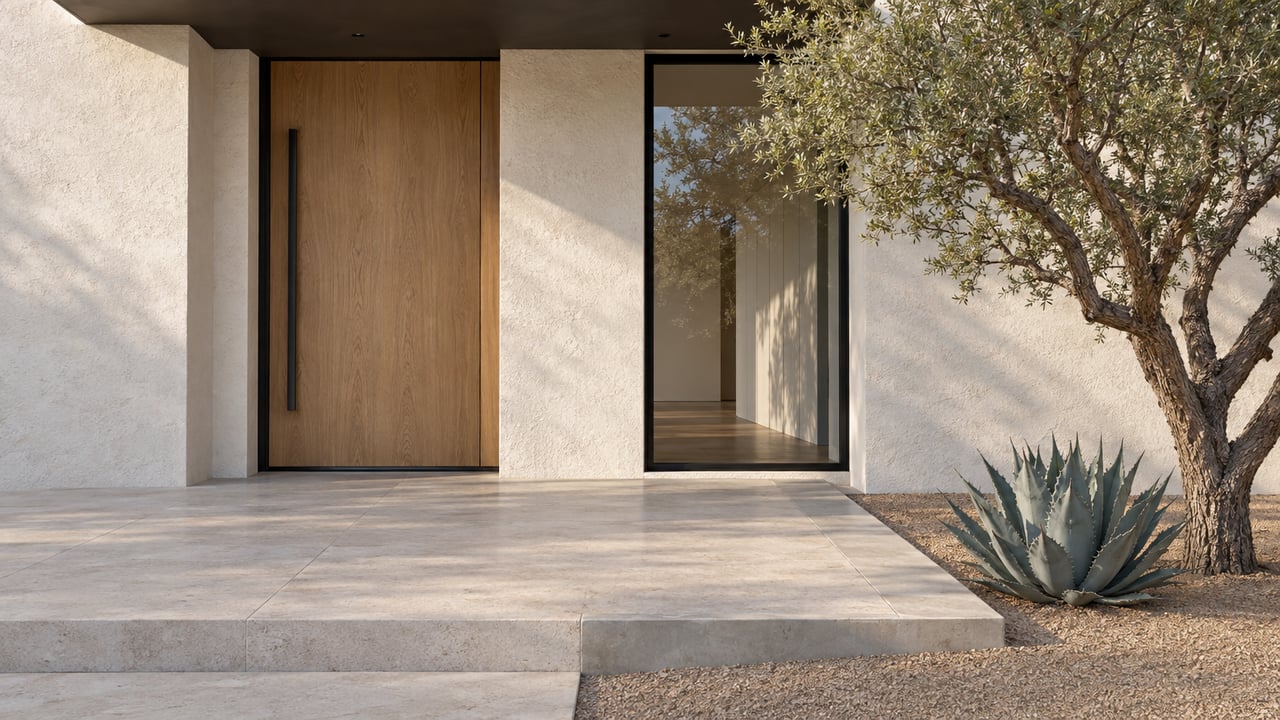
New builds tend to be desert modern, contemporary or transitional, and modern farmhouse. You will see taller or two-story massing, cleaner lines, mixed cladding, and more glass. The goal is a modern look that still feels Arcadia-appropriate.
Interior layout and flow
A classic ranch usually has a more compartmentalized plan. Expect separate living and dining rooms, a modest kitchen, and bedrooms grouped along a corridor. Storage and utility spaces are smaller than today’s norms.
Modern new builds lean open plan. The kitchen, dining, and living areas often form a single great room with a large island, walk-in pantry, and added spaces like a mudroom, office, or flex room. Primary suites are larger, and multiple ensuites are common.
Ceilings and light
Original ranches commonly have 8 to 9-foot ceilings, which feel intimate. Raising ceilings in an existing home can be done but often requires structural changes to the roof framing and permits.
New builds use higher ceilings, clerestory windows, and open volumes to bring in light and create a spacious feel. You will often see 10 to 16-foot heights in main living areas or even double-height spaces.
Outdoor living and connection
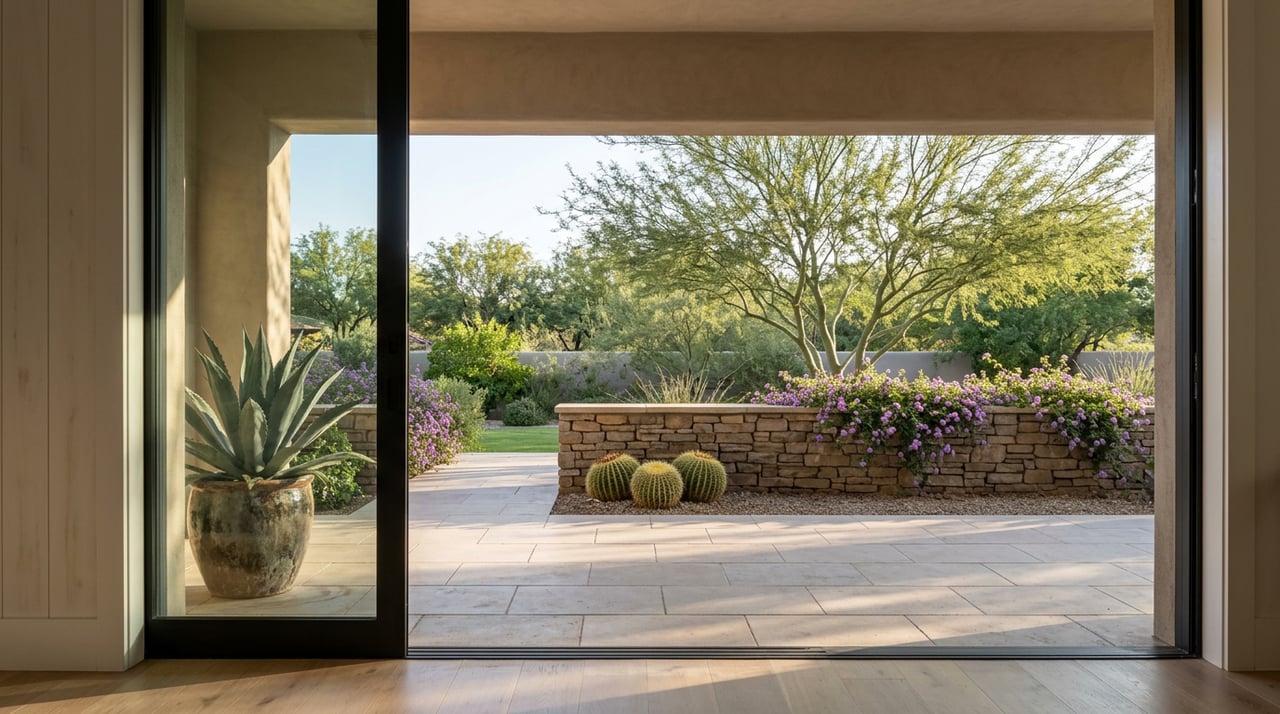
Ranches engage the yard with covered patios and framed views to mature trees and lawns. The indoor-outdoor feel is casual and shaded.
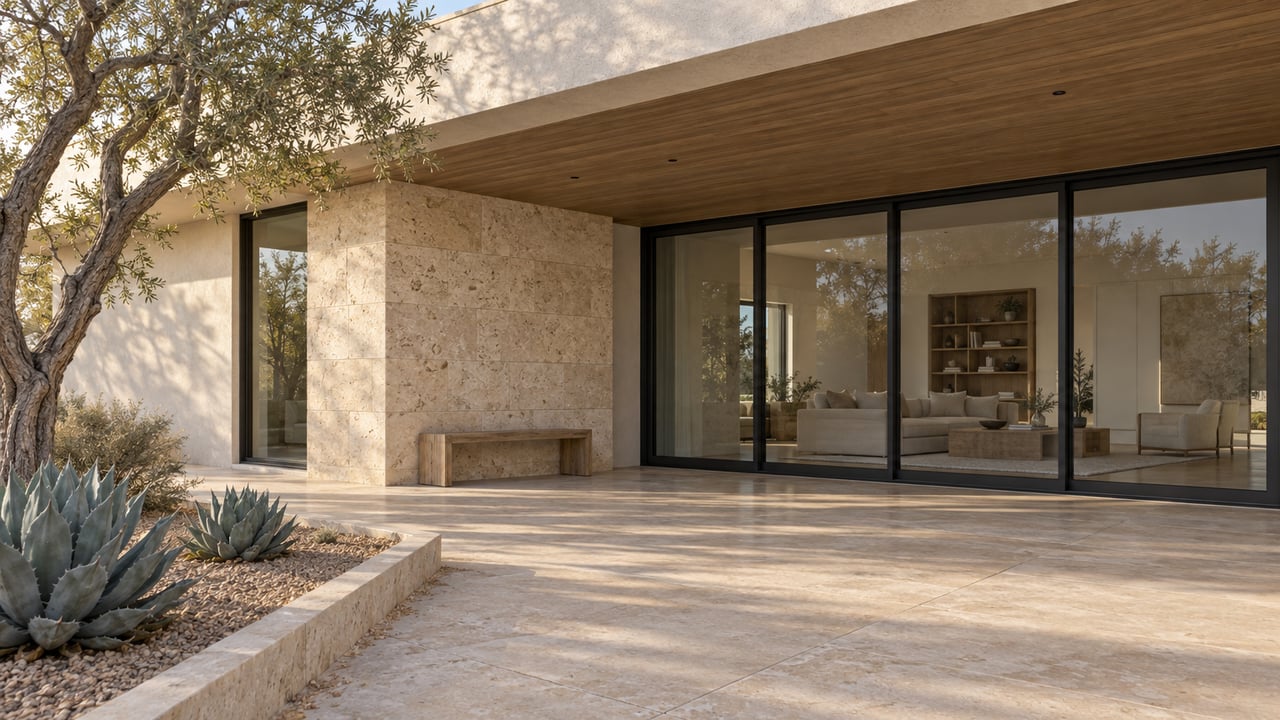
New builds use large sliding or folding glass systems to create seamless transitions to covered patios. Outdoor kitchens, integrated fireplaces, and pools are often designed as extensions of indoor living.
Floor plan and daily living
A typical Arcadia ranch plan separates rooms and circulation. The kitchen may sit off the dining room without a large island, and sightlines are more limited. If you want to open spaces, removing non-loadbearing walls can be straightforward, but structural walls, duct runs, and roof framing can add complexity and cost.
A typical new build is designed for modern living from day one. You get clear sightlines, bigger kitchens, and more storage, plus purpose-built rooms for work, fitness, guests, or hobbies. The result is a home that is turnkey for contemporary lifestyles.
Materials and systems that matter
- Envelope and windows: Older homes may have single-pane or early double-pane windows and less insulation. Replacing windows and adding insulation improves comfort and lowers energy use.
- HVAC and electrical: Many ranches were built with smaller electrical panels and older HVAC. New builds typically include 200-amp service, high-efficiency HVAC, and smart wiring. Upgrades are common if you plan to add EV charging or heavier appliance loads.
- Plumbing and water: Original plumbing materials and older sewer lines are not unusual. Kitchen and bath expansions often drive re-piping or sewer work.
- Floors and finishes: A ranch might have original hardwood, tile, or terrazzo worth preserving and refinishing. New builds favor engineered hardwoods, large porcelain tile, quartz or stone counters, and cleaner trim profiles.
- Sustainability: New builds often integrate solar-ready wiring, higher R-value insulation, cool roof materials, and LED lighting. Retrofits can capture many of these benefits with the right planning.
Permits, zoning, and feasibility in Phoenix
If you plan structural changes, major electrical or plumbing work, or to add livable area, you will need permits through the City of Phoenix. Altered elements must comply with current codes, and certain upgrades may be required for safety.
Adding a second story or expanding the footprint is subject to setbacks, lot coverage, and height limits. Arcadia’s deeper lots often make expansions feasible, but you should verify the zoning classification and buildable envelope. While Arcadia does not have a universal historic overlay, some subdivisions may have private covenants, so check title documents and recorded restrictions.
Always review permit history on the property. Unpermitted additions can complicate transactions, and you want clarity on what has been approved and inspected.
Renovate or build new: time and value
Cosmetic to mid-scope renovations can wrap in weeks to a few months, depending on permits and scheduling. Major remodels that reconfigure rooms or replace systems often take several months to a year. A full new build from demo to certificate of occupancy commonly runs about 9 to 18 months depending on scope and approvals.
Key cost drivers include structural changes, system upgrades, roof replacement, tree protection or relocation, drainage, and new utility connections. Mature Arcadia trees are valuable for shade and privacy, so plan carefully when expanding or building.
Value in Arcadia is driven by lot size and orientation, quality outdoor living, and thoughtful design as much as interior square footage. A well-executed renovation that preserves character while modernizing systems can capture strong interest. In other cases, a new build with a modern plan and finishes can command higher price per square foot, especially when turnkey inventory is scarce.
Which path fits you?
- Choose a renovated or remodel-ready Arcadia ranch if you want single-story living, mature shade and privacy, classic mid-century bones, and a slower, more customized modernization timeline.
- Choose a new build if you want an open-plan great room, higher ceilings, extensive glass, modern systems, larger storage and utility spaces, and seamless indoor-outdoor entertaining from day one.
Both choices can be excellent. The right answer depends on your lifestyle, timeline, and how you value character versus turnkey convenience.
Quick buyer checklist for Arcadia
Use this list to focus your due diligence.
- Lot and site: Confirm exact dimensions, orientation, and buildable envelope. Note mature tree locations, prior lot splits, and any easements.
- Structure and roof: Check roof age and signs of leaks. Review slab or foundation for movement.
- Systems: Verify electrical panel capacity and HVAC age. Ask about original plumbing materials and schedule a sewer line camera if you plan major changes.
- Health and safety: For homes built before 1978, consider testing for lead-based paint and look for any materials that may require professional abatement during renovation.
- Regulatory: Confirm zoning, maximum lot coverage and height, and whether a second story or footprint increase triggers design review or drainage requirements.
- Permits and history: Review permit records and watch for unpermitted additions.
- Budget and schedule: Request ballpark quotes for your intended scope, from cosmetic updates to additions or a tear-down and new build.
- Resale lens: Consider the likely future buyer profile for your finished home and how your plan matches what Arcadia buyers are seeking.
Working with a local Arcadia advisor
Choosing between preserving Arcadia character and maximizing modern convenience takes local knowledge. You want an advisor who knows the lots, understands Phoenix permitting, and can help you evaluate both paths with clarity. If you are weighing a renovation, addition, or a ground-up build, we can help you compare scope, feasibility, and resale potential.
If you are ready to explore the best options on and off market in Arcadia, connect with The TEAM for guidance tailored to your goals.
FAQs
Can I raise ceilings in an Arcadia ranch to feel more modern?
- Yes. It is often feasible, but it typically requires roof framing changes, structural work, and permits. Cost and complexity depend on roof type and how much area you alter.
Is it cheaper to renovate or to build new in Arcadia?
- It depends on scope. Cosmetic or moderate renovations are usually less costly and faster. Full reconfiguration, second-story additions, or whole-house systems replacement can approach or exceed new-build costs.
Will my Arcadia remodel trigger full code upgrades for the whole house?
- Permits usually require that altered systems meet current code. Local inspectors may require targeted safety updates, but full retroactive compliance for the entire home is not always required.
How important are mature trees and landscaping in Arcadia planning?
- Very important. Mature trees support privacy, shade, and neighborhood character. Protecting or relocating them can affect site planning and cost, so plan early.
Do buyers prefer single-story ranches or two-story new builds in Arcadia?
- Preferences vary. Many buyers value single-story living and mature yards. Others prioritize larger square footage, open plans, and seamless indoor-outdoor entertaining offered by newer two-story homes.