Heard people talk about Phoenix’s Central Corridor and wondered where it actually is? You are not alone. Locals use the term a lot, but definitions can shift block by block. In this guide, you will learn what the Corridor typically includes in North Central Phoenix, how the area lives day to day, and what to expect from its homes and amenities. Let’s dive in.
A simple way to map it
The Central Corridor is best understood as a stretch of Central Avenue and the blocks immediately around it in central and north-central Phoenix. A practical working definition is Central Avenue with roughly two to four blocks on either side, starting around the Downtown–Midtown area and running north through North Central. Many locals reference segments from near McDowell or Indian School Road up toward Camelback Road and farther north into the North Central neighborhoods.
Why definitions vary
Different groups frame the Corridor in different ways:
- Linear or transit corridor: a walkable band along Central Avenue where dining, retail, and transit stops cluster.
- Neighborhood cluster: historic and established neighborhoods just off Central Avenue, such as pockets near Encanto and Willo in the south, then the North Central residential blocks farther north.
- Planning corridor: areas the City of Phoenix includes in corridor studies or zoning overlays that may shape redevelopment and transportation.
The bottom line: treat the Corridor as a spectrum. It is more urban right on Central Avenue, then quickly feels residential on the side streets.
What living here feels like
You will find an inner-urban rhythm, with established residential streets just steps from coffee, restaurants, and services. Central Avenue carries more activity, while adjacent blocks feel calmer, tree lined in some historic pockets. The mix of old and new is part of the charm, especially near dining nodes and transit stops.
Housing types you will see
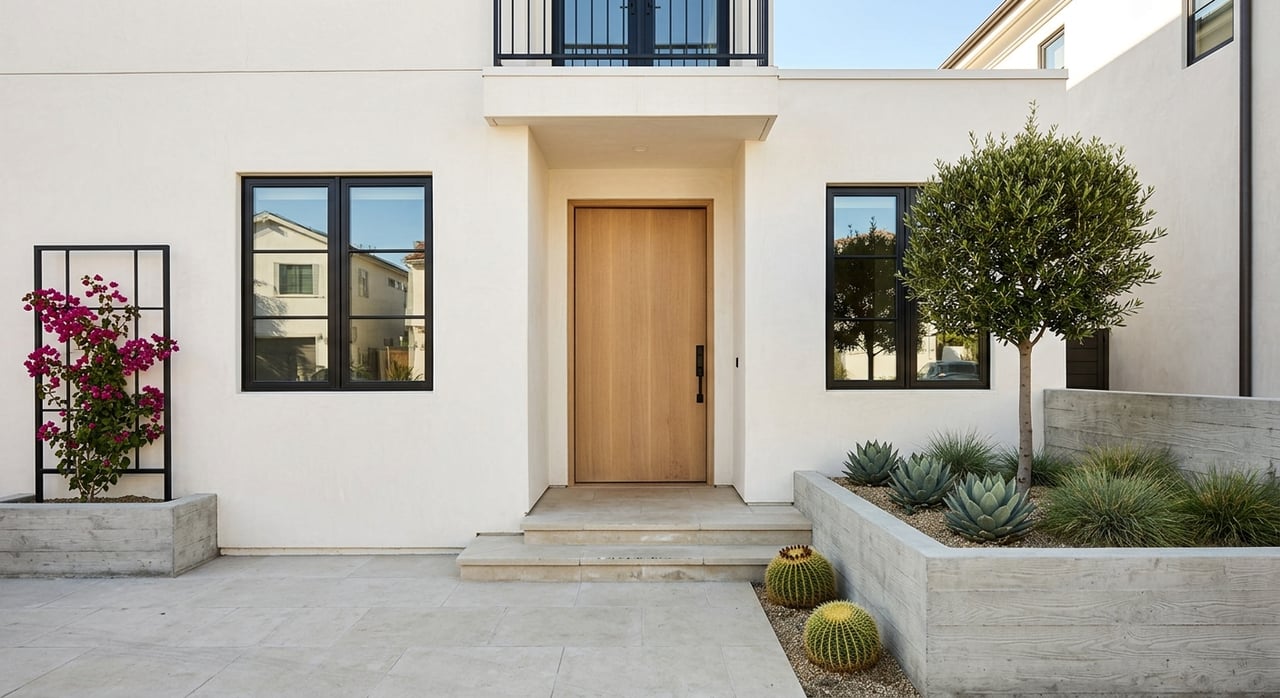
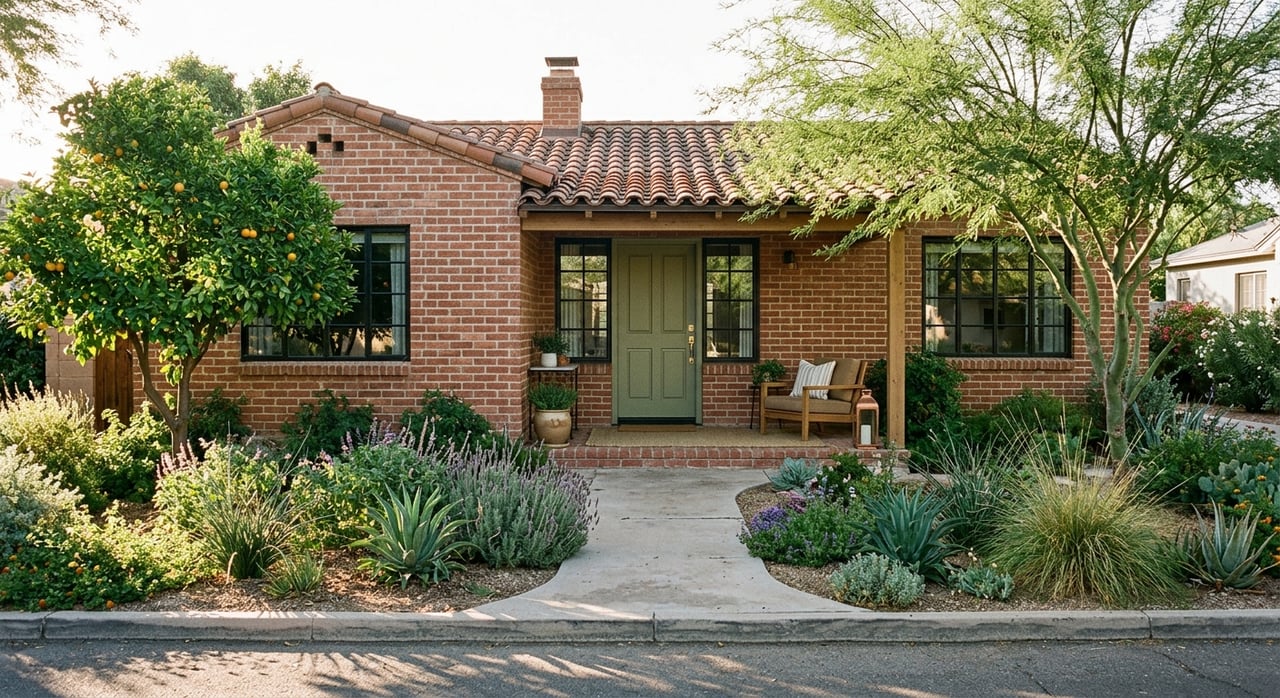
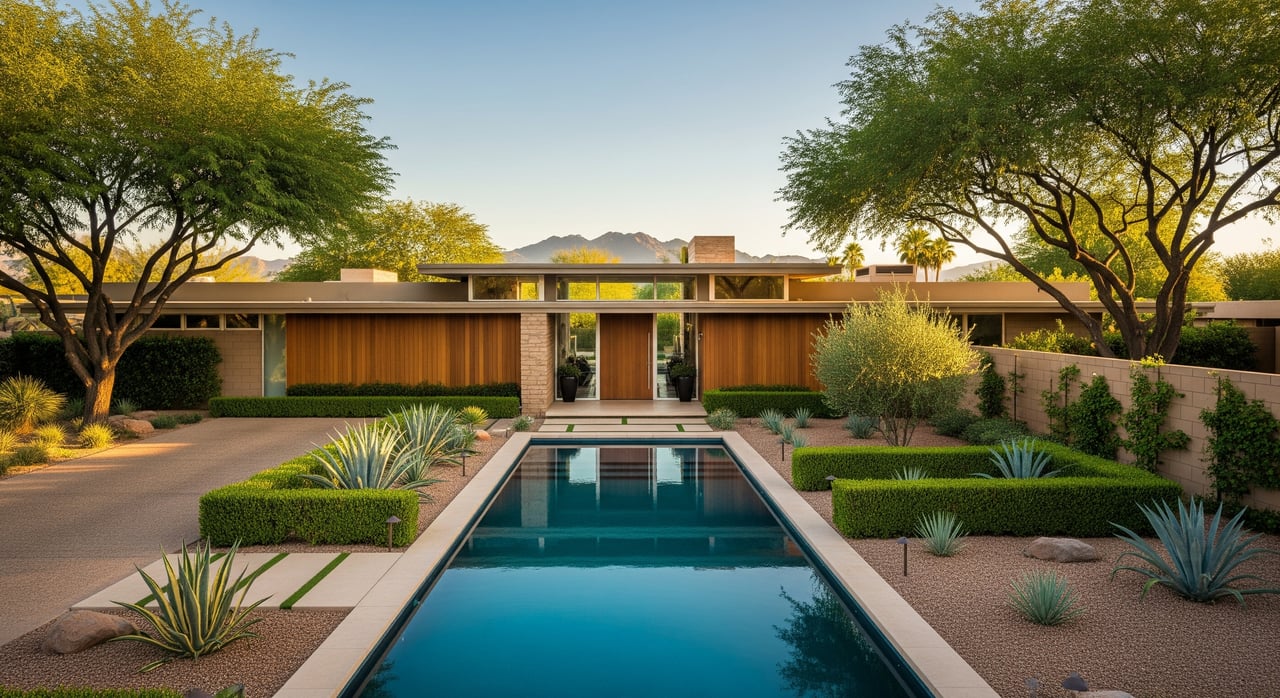
- Historic single-family homes: Craftsman bungalows, Pueblo or Spanish Revival, and many mid-century ranches on side streets and in historic districts.
- Infill and renovation: updated ranches, modern rebuilds, and small-lot infill as buyers seek urban convenience with contemporary finishes.
- Condos and mid-rise buildings: higher density along Central Avenue and at major intersections, often with structured parking and amenities.
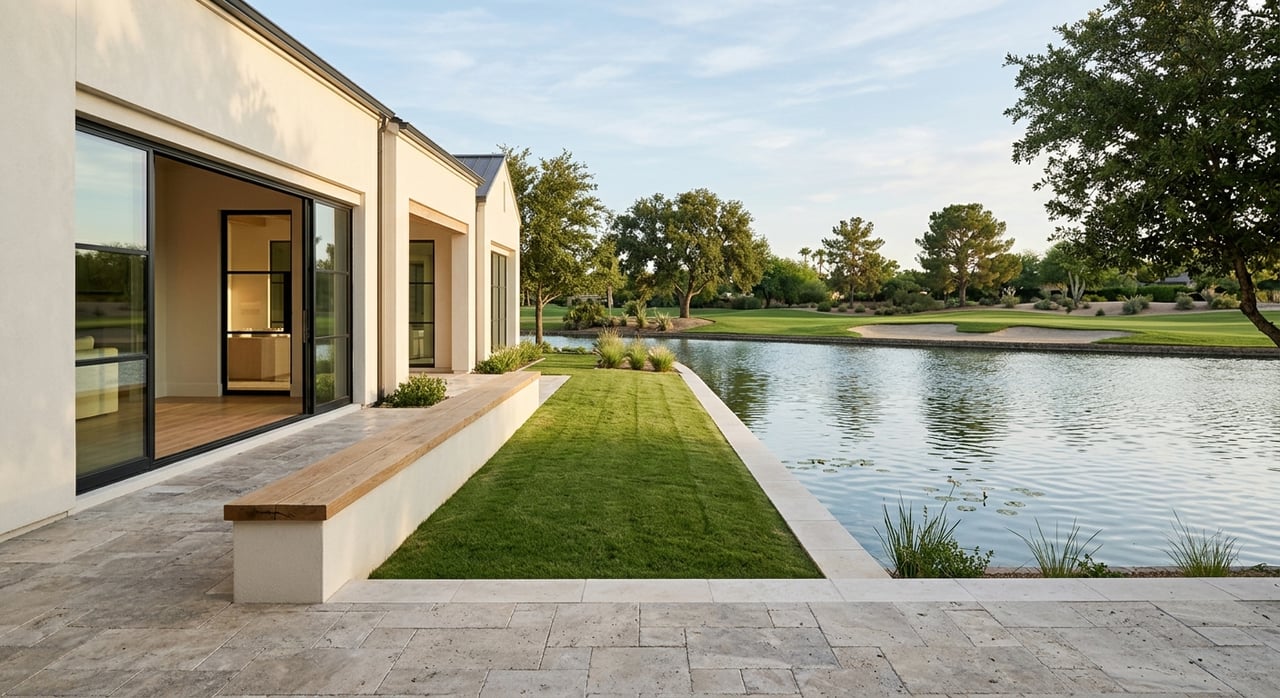
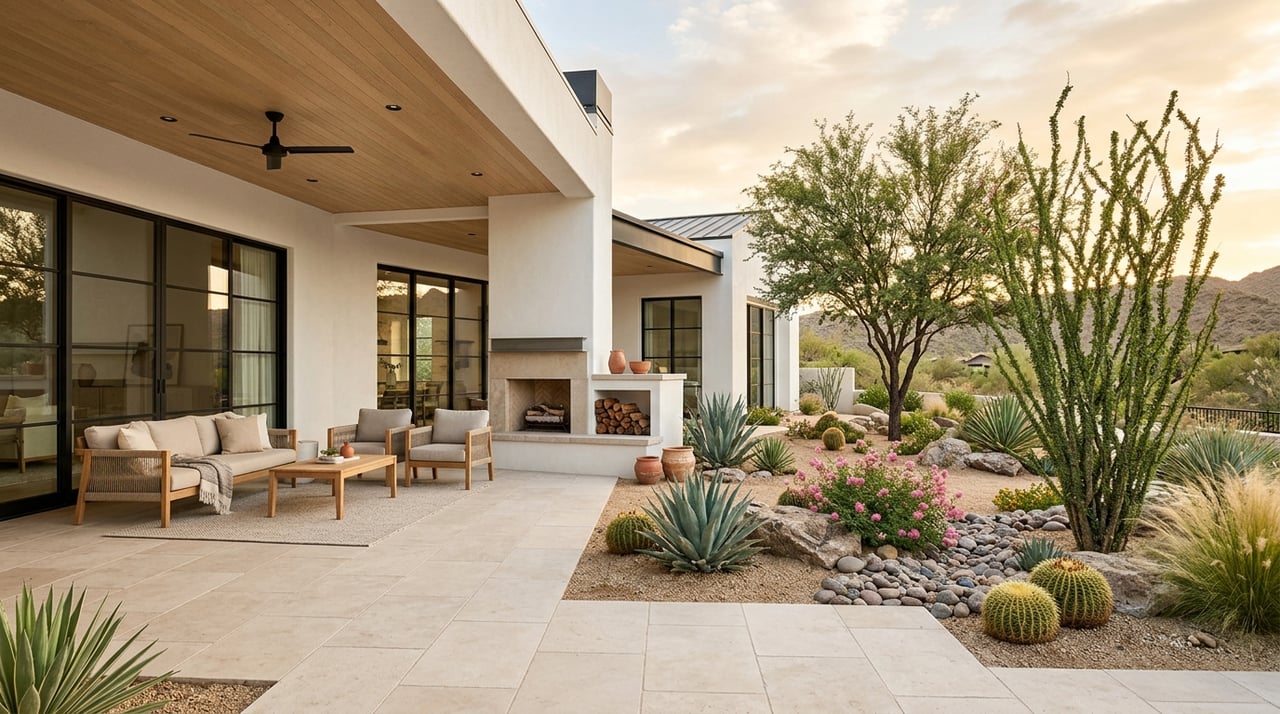
- Larger and custom homes: more common in nearby North Central pockets north of Camelback, on larger lots, though less frequent right on the immediate corridor.
Ownership trade-offs to weigh
Older homes can require updates. If a home predates 1978, plan for potential asbestos or lead considerations and budget for roofing, windows, and HVAC. Lot sizes are often smaller than outer suburbs, and many single-family streets have no HOA, while condos and newer infill communities typically do. Parking varies by block, with street parking common on older streets and garages or structured parking in newer multifamily buildings. If a home sits in a historic district, exterior changes can be limited by preservation rules.
Getting around and daily convenience
The Corridor places you close to major job centers. Downtown Phoenix, Midtown, the Phoenix Biomedical Campus, and the Biltmore or Camelback office corridor are all within straightforward drives. Many commutes are short, and bike or e-scooter trips are practical for nearby destinations.
Transit, driving, and biking
Central Phoenix is served by Valley Metro bus and light rail, with stops along or near Central Avenue. East–west arterials like McDowell, Thomas, Osborn, Indian School, and Camelback link you to job hubs and shopping, and freeways like I-10, I-17, and the Superstition Freeway are reachable within short drives. Sidewalks, bike lanes, and corridor improvements appear in segments, so expect infrastructure quality to vary by block.
Dining and culture
Expect a mix of long-loved local restaurants, newer chef-driven spots, coffee bars, and neighborhood retail along Central Avenue and near cross-street hubs. Cultural mainstays such as the Phoenix Art Museum, Heard Museum, and Hance Park sit close to the corridor and add to the lifestyle appeal. Areas directly on Central Avenue have more activity and nightlife energy, while most side streets stay quieter.
Murphy’s Bridle Path, in context
You will hear locals mention Murphy’s Bridle Path in North Central. It is a named, neighborhood feature associated with the Central corridor area. Exact location, access, and maintenance can vary by segment and source, so verify current details with the City of Phoenix or the relevant neighborhood association before planning regular use. Treat it as part of the corridor’s green streetscape identity rather than a single uniform trail experience.
Is the Central Corridor right for you?
Choose the Corridor if you want urban convenience with residential character close by. You can walk or bike to coffee and dinner in many spots, then retreat to a quieter street just off Central. If you prefer very large lots and deep suburban quiet, neighboring areas farther north or east may suit you better. If you want character homes, renovation potential, and strong access to jobs, the Corridor is a strong fit.
How to start your search
- Clarify lifestyle priorities: walkability, transit access, or larger lot size a few blocks away from Central.
- Budget for updates on older homes, especially pre-1978 builds.
- Check for historic-preservation or zoning overlays if you plan exterior changes or additions.
- Test your commute at typical hours, and visit dining nodes at night to gauge activity.
- Walk the exact blocks you are considering to understand traffic, parking, and streetscape.
- Partner with a local advisor who knows block-by-block nuances and upcoming infill.
Ready to compare blocks, housing styles, and renovation potential with a trusted local guide? Reach out to The TEAM for a curated tour and tailored search strategy.
FAQs
What area does Phoenix’s Central Corridor cover?
- A practical definition is Central Avenue with two to four blocks on either side from the Downtown–Midtown area north through North Central, with exact edges varying by source and segment.
What is Murphy’s Bridle Path, and can I use it?
- It is a locally named feature in North Central tied to the corridor’s green streetscape; confirm exact segments, public access, and maintenance with the City of Phoenix or the local neighborhood association before planning regular use.
What kinds of homes will I find near Central Avenue?
- You will see historic bungalows and mid-century ranches on side streets, modernized renovations and small-lot infill, plus condos and mid-rise buildings clustered along Central and major intersections.
How walkable and transit friendly is the Central Corridor?
- Walkability rises near Central Avenue dining nodes, and Valley Metro bus and light rail serve central Phoenix, making many trips possible without a car, though conditions vary block by block.
Are there special rules for renovating older homes in this area?
- Some homes sit within historic districts that limit exterior changes, so you should review City of Phoenix preservation and planning guidelines before starting renovations.
What should I expect with parking and HOAs in the Corridor?
- Older single-family blocks often have street parking and no HOA, while condos and newer infill communities usually include structured or garage parking and association rules.